SERVICES
Building Inspection
An independent assessment for buyers who need to understand a property’s visible building condition before making a decision.
What Is a Building Inspection?
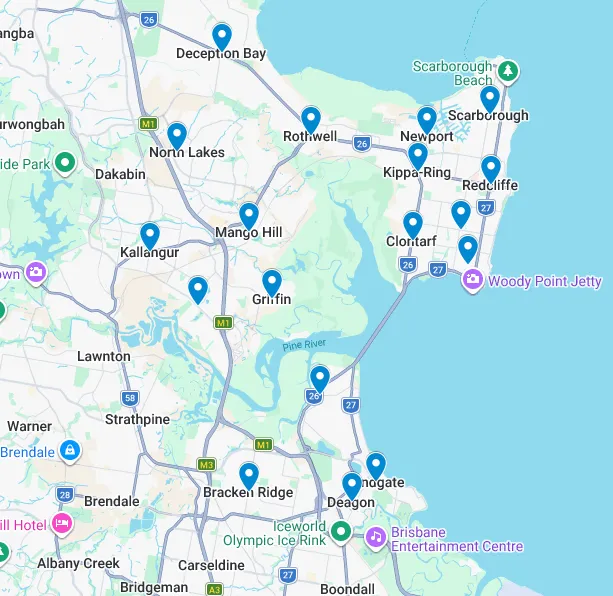
A building inspection is a visual assessment of accessible areas within and around a residential property. The inspector looks for major defects, safety concerns, moisture indicators and maintenance issues across internal rooms, roof spaces, subfloor areas, exterior walls and the surrounding site where safe access is available. Common findings include roof leaks, wall cracking, failed waterproofing, damaged timber, poor drainage and movement in building elements. The inspection does not involve opening walls, moving heavy belongings or testing every service, and it does not provide a warranty against future defects. Its purpose is to record observable conditions at a particular time and explain which issues may need further assessment. North Brisbane contains modern slab-on-ground homes, older raised houses and coastal properties, so the type and significance of defects can vary. The report helps buyers understand the property before settlement and seek advice from engineers, electricians, plumbers or other specialists when a concern falls outside the inspection scope.
Why Choose North Brisbane Property Inspections for Building Inspection
Practical Construction Experience
More than 30 years of experience across construction, housing maintenance and asset management supports the interpretation of visible building defects. This practical background helps distinguish routine maintenance from conditions that may require prompt repair or specialist assessment. Each finding is considered in relation to the property’s construction type, age, materials and observed condition at the time of inspection.
Accessible Areas Reviewed Methodically
The assessment extends beyond the rooms normally seen during an open home. Roof spaces, subfloors, exterior walls, wet areas, decks, paths and site drainage receive attention where safe access is available. This broader review can reveal moisture, movement, deterioration and maintenance patterns that may not be obvious during a short property viewing.
Independent Building Report
North Brisbane Property Inspections assesses and reports on the property rather than quoting for repair work. The report identifies visible defects, their locations and any significant access limitations. This gives buyers an independent record they can review with their solicitor, agent, engineer or relevant licensed trade before making further property decisions.
Clear and Prompt Reporting
Same-day reporting is available for purchases with short inspection conditions. The report organises major defects, safety concerns and maintenance items so buyers can understand which findings need attention. Clients can also ask follow-up questions if they need clarification about an observed issue or a recommendation for further specialist assessment.
What Building Inspection Covers
A building inspection covers accessible roofs, roof spaces, ceilings, walls, floors, doors, windows, stairs, wet areas, kitchens, laundries, built-in fixtures, subfloors, exterior walls, decks, patios, retaining walls and site drainage. The inspector records visible defects, moisture indicators, deterioration and safety concerns. Appliances, concealed services, inaccessible cavities and destructive testing fall outside a standard visual inspection. The report identifies significant access restrictions and may recommend assessment by an engineer or relevant licensed trade when a defect requires investigation beyond the available visual evidence.
Signs You Need Building Inspection
Arrange a building inspection before purchasing a property or when you notice widening cracks, uneven floors, sticking doors, sagging ceilings, water stains, mould, loose balustrades, damaged roofing or persistent damp smells. External warning signs include ponding water, eroded soil, leaning retaining walls, corroded metal and failed sealants. Coastal air around Redcliffe and nearby suburbs can accelerate corrosion, while heavy summer rain may expose roof, gutter and drainage faults. Recent cosmetic work may also justify closer inspection if it appears to cover earlier damage.
DISCOVER WHAT OUR CUSTOMERS HAVE TO SAY ABOUT US
REVIEWS
REVIEW US ON GOOGLE
our process
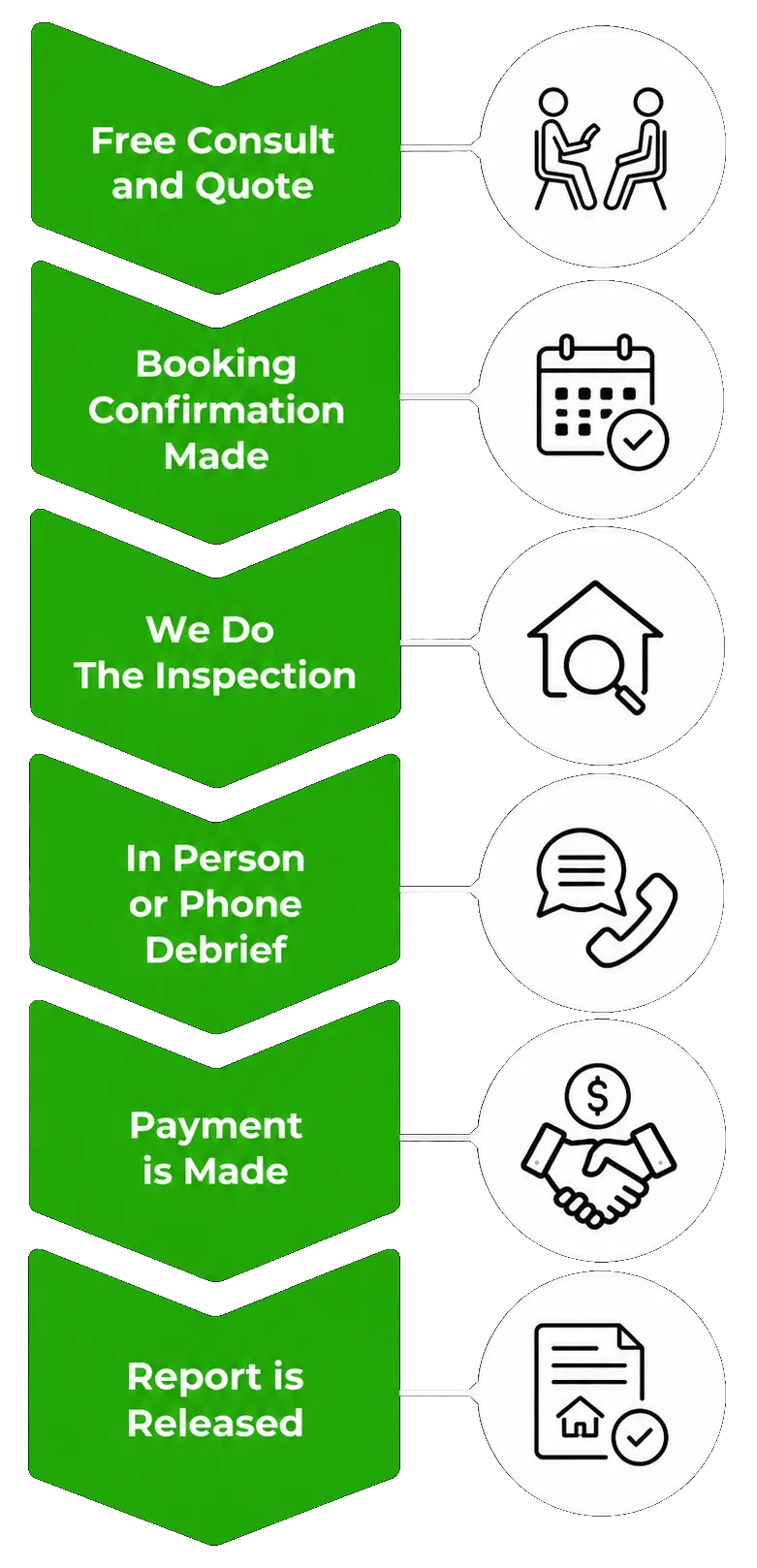
Our process is simple and only contains a few simple steps

Frequently Asked Questions
What is not included in a standard building inspection?
A standard inspection does not open walls, move heavy furniture, test every appliance or certify electrical, plumbing and gas systems. It also excludes areas that cannot be accessed safely. The report should explain important limitations and identify matters that require advice from another qualified professional.
Can a building inspection identify structural problems?
A building inspection can identify visible signs that may relate to structural movement, including significant cracking, distortion or uneven floors. It does not replace assessment by a structural engineer. The inspector may recommend engineering advice when the cause, extent or seriousness of an issue cannot be determined visually.
Should I inspect a newly renovated property?
Yes. New finishes can still contain defects, incomplete work or poor construction details. An inspection may identify wet-area concerns, uneven finishes, roof faults, drainage problems or work that requires closer review. Building approvals and certification may also require separate searches through the relevant authorities.
Can a building inspector check for asbestos?
An inspector may identify materials that could contain asbestos, particularly in homes built before 1990, but appearance alone cannot confirm asbestos content. Laboratory testing by a competent asbestos professional is required before disturbing suspected material during renovation, maintenance or demolition work.
How should I use the building inspection report?
Read the complete report, including its scope and access limitations. Ask the inspector about significant findings and seek specialist advice where recommended. Your solicitor can explain how the report relates to the purchase contract, while qualified trades or consultants can investigate specific defects further.
READY TO take the next step?
get a free quote TODAY!
North Brisbane Property Inspections
0486 341 617