
SERVICES
Depreciation Schedules
Understand potential property depreciation deductions with a clear schedule prepared for your investment property.
What Is a Property Depreciation Schedule?
A property depreciation schedule is a report that identifies eligible capital works and depreciating assets associated with an income-producing property. It sets out calculated deductions that may be available over time under Australian tax rules, giving the property owner and their accountant organised information for preparing tax returns. Capital works can include qualifying construction, alterations and structural improvements, while depreciating assets may include eligible removable or mechanical items. The treatment of each item depends on factors such as the construction date, acquisition date, property use and available cost information. Restrictions can also apply to second-hand assets in residential rental properties. A schedule may use supplied records, a property inspection and reasonable cost estimates where original documents are unavailable. It does not determine the owner’s final tax position or replace advice from a registered tax agent. The owner should provide the completed schedule to their accountant, who can consider individual circumstances and confirm which deductions may be claimed.
Why Choose North Brisbane Property Inspections for Depreciation Schedules




Detailed Property Assessment
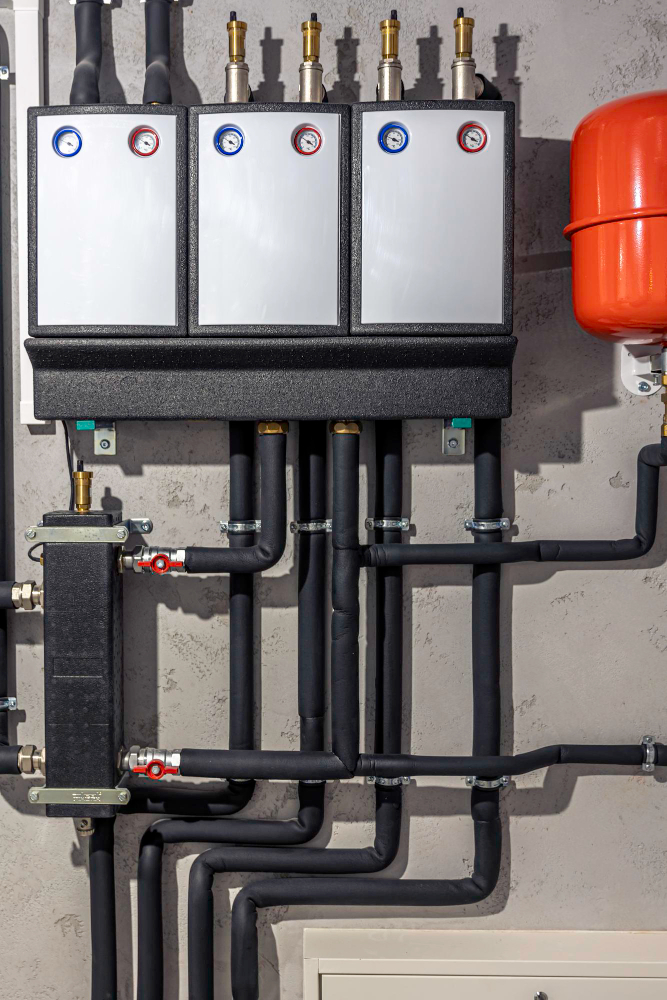
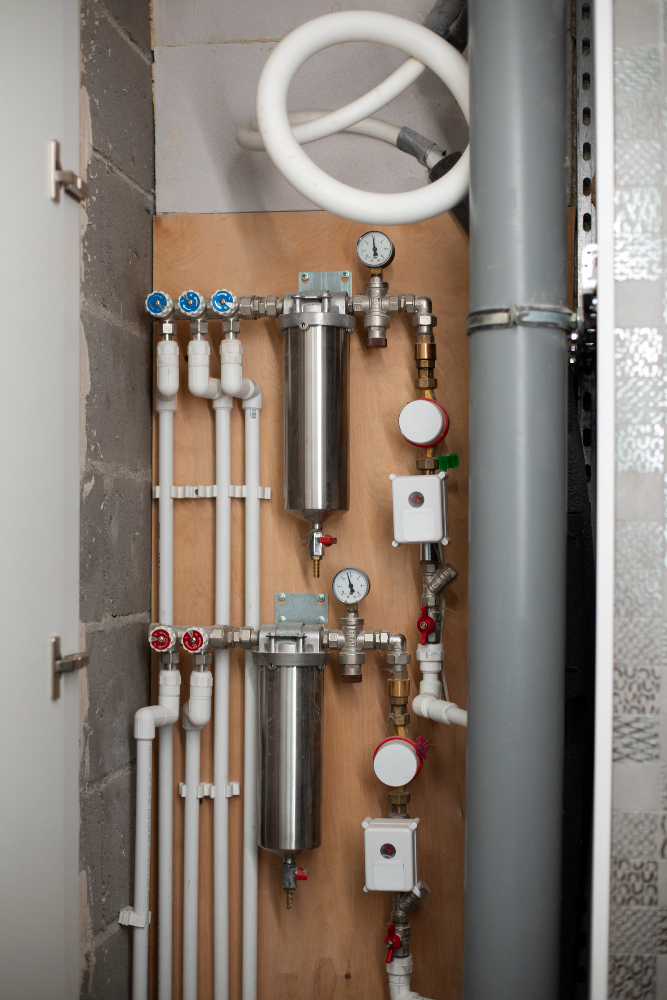
Property details are reviewed carefully so relevant building elements, improvements and eligible assets can be recorded. The process considers available construction information, renovation history and the condition observed during the inspection. This creates an organised property record that your accountant can review when preparing returns and considering deductions that may apply to your circumstances.
More Than 30 Years of Industry Experience
More than 30 years of experience across construction, housing maintenance and asset management supports the identification of building components and property improvements. This practical background assists with recognising different construction types, materials and approximate ages. Each property is considered individually using accessible observations and the documents supplied by the owner.
Clear Schedule and Calculations
The completed schedule presents relevant property information and calculated deduction amounts in a format designed for use across applicable income years. Clear categorisation helps your accountant distinguish capital works from depreciating assets. Supporting notes explain the basis of the schedule, while calculations reflect the information available and applicable Australian tax depreciation rules.
Assessment of Older Properties
Older properties may still contain qualifying capital works, later renovations or eligible assets, even when original invoices are missing. Available records and an inspection can help establish relevant details and reasonable construction cost estimates. Eligibility varies, so the schedule avoids promising a particular refund or deduction and should be reviewed with your accountant before claims are lodged.
What a Property Depreciation Schedule Covers
A depreciation schedule may record the property’s construction details, qualifying structural work, later renovations and eligible depreciating assets. It can separate capital works deductions from deductions for the decline in value of relevant assets and show calculated amounts across applicable income years. The assessment may consider purchase information, settlement dates, building age, ownership share and periods of income-producing use. Rules affecting residential second-hand assets may also be considered. Final deductions depend on the owner’s circumstances and should be confirmed by a registered tax agent.
Signs You Need a Property Depreciation Schedule
Consider arranging a depreciation schedule when you purchase an investment property, complete renovations or begin using a property to produce rental income. It may also be appropriate if your accountant requests one, your existing schedule does not include later improvements, or no reliable construction cost records are available. Owners of older properties should not assume there is nothing to review, as qualifying renovations or capital works may still exist. Seek advice if the property has mixed private and income-producing use or several owners.
DISCOVER WHAT OUR CUSTOMERS HAVE TO SAY ABOUT US
REVIEWS
REVIEW US ON GOOGLE
our process
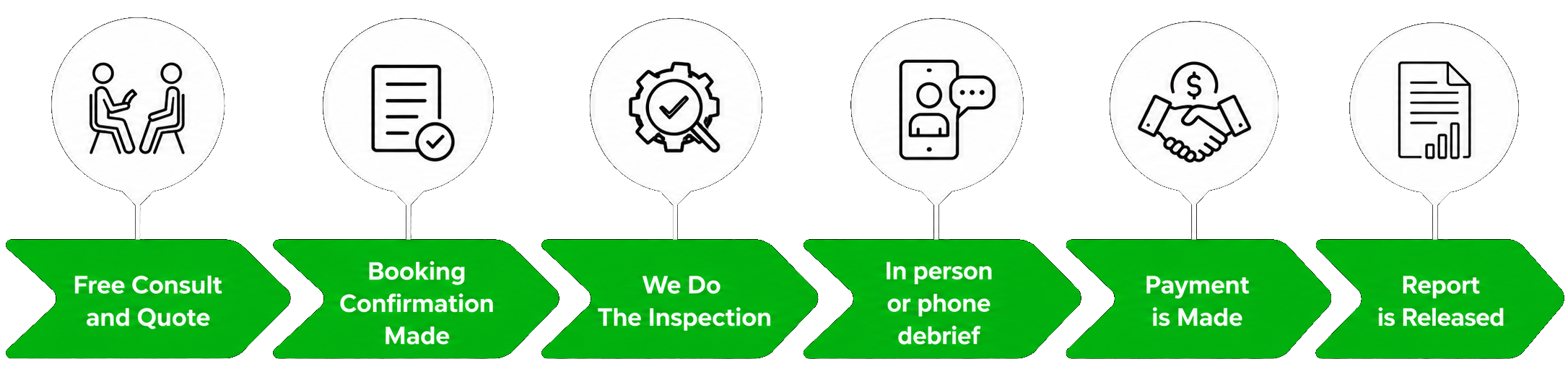
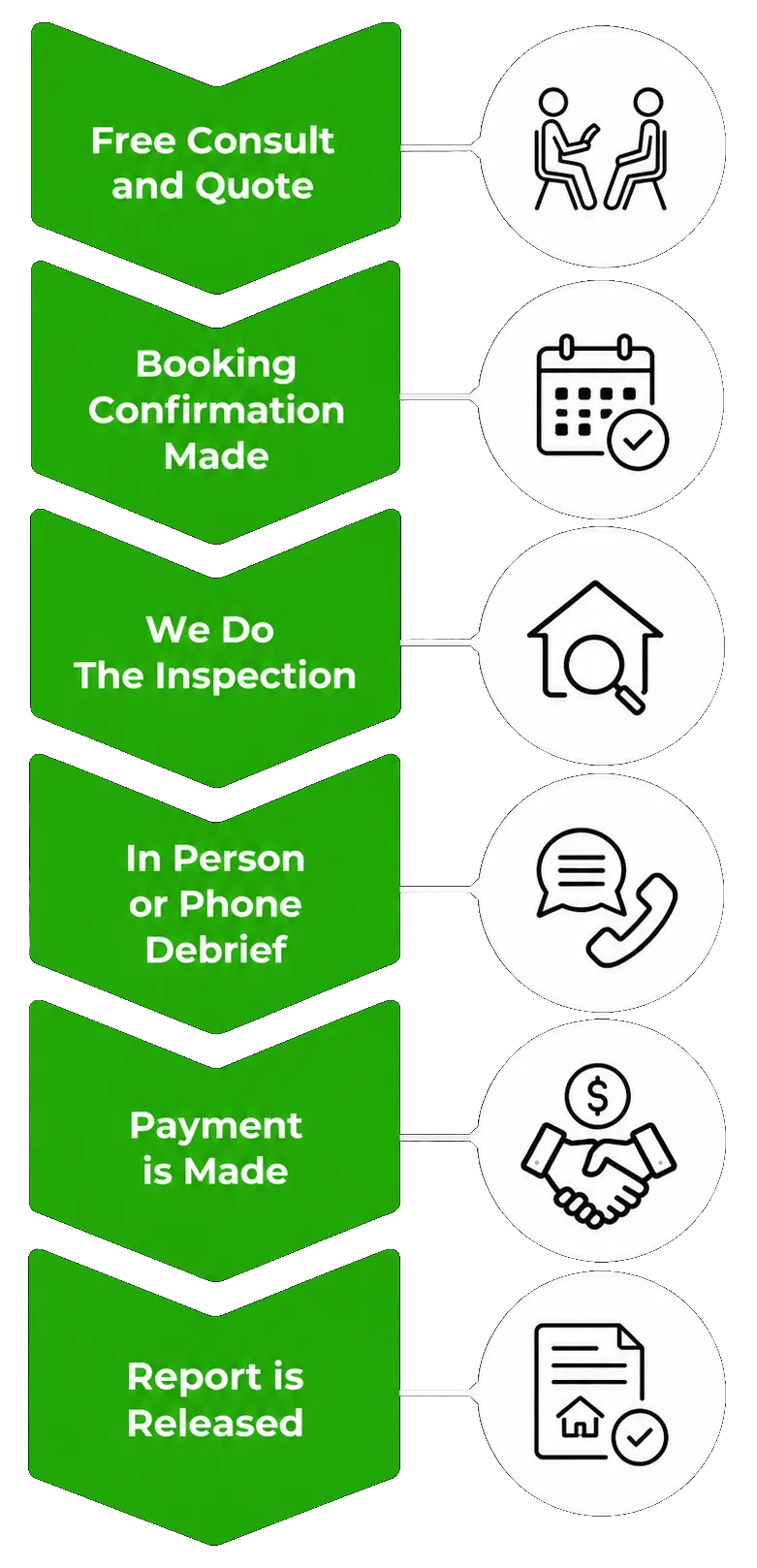
Our process is simple and only contains a few simple steps
Frequently Asked Questions
When should I arrange a property depreciation schedule?
Arrange the schedule after purchasing an investment property or when it first becomes available for income-producing use. It can also be updated after substantial renovations or additions. Preparing it before your accountant completes the relevant tax return gives them time to review the figures and apply them to your individual circumstances.
Is a depreciation schedule worthwhile for an older property?
Not necessarily. Older properties may contain qualifying renovations, extensions, structural improvements or eligible assets added at a later date. Available deductions depend on construction dates, asset history and property use. An assessment can establish whether relevant items exist, but no deduction amount should be assumed before the property information is reviewed.
What documents should I provide?
Helpful documents include the purchase contract, settlement statement, building plans, construction costs, renovation invoices and details of previous improvements. Provide any existing depreciation report and dates when the property was rented or available for rent. If records are incomplete, available property information and an inspection may still assist with reasonable estimates.
What happens during the property inspection?
A property inspection records accessible construction elements, finishes, improvements and relevant assets present at the property. Photographs and owner-supplied documents may support the assessment. The inspection is not a building condition report and does not check structural safety, pest activity or regulatory compliance unless a separate inspection service has been arranged.
How do I use the completed depreciation schedule?
Provide the completed schedule to your registered tax agent or accountant. They can review the calculations alongside your ownership share, rental period, other expenses and tax circumstances. The schedule supplies property depreciation information, but your tax adviser determines how eligible deductions should be included in your return under the rules applying to you.
READY TO take the next step?
get a free quote TODAY!
North Brisbane Property Inspections
0486 341 617