This could be
your property
DISCOVER WHAT OUR CUSTOMERS HAVE TO SAY ABOUT US
REVIEWS
REVIEW US ON GOOGLE
our process
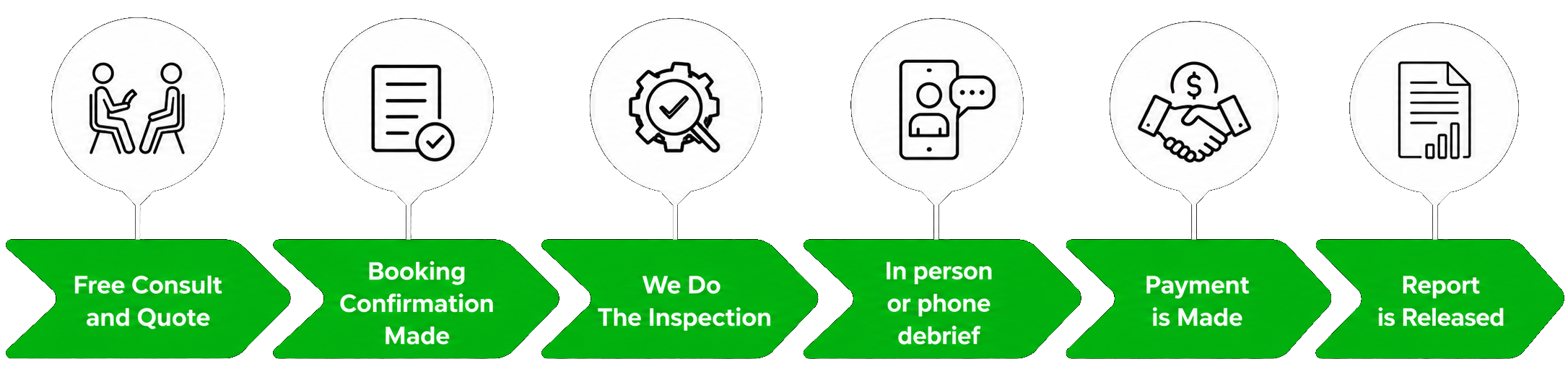
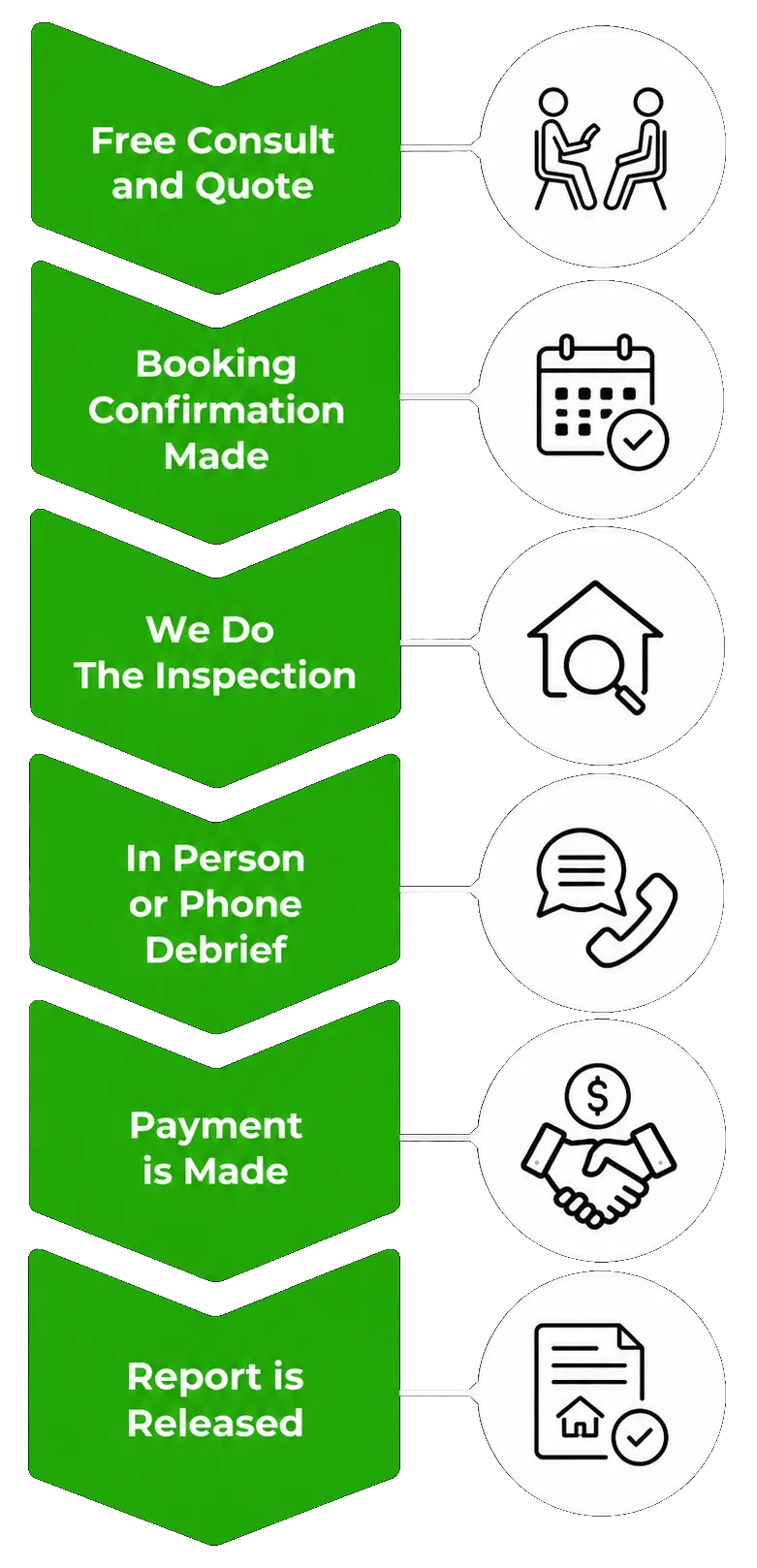
Our process is simple and only contains a few simple steps
Frequently Asked Questions
What is not included in a standard building inspection?
A standard inspection does not open walls, move heavy furniture, test every appliance or certify electrical, plumbing and gas systems. It also excludes areas that cannot be accessed safely. The report should explain important limitations and identify matters that require advice from another qualified professional.
Can a building inspection identify structural problems?
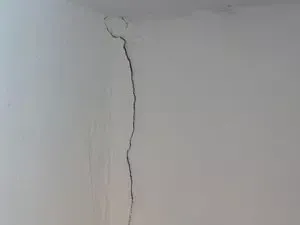
A building inspection can identify visible signs that may relate to structural movement, including significant cracking, distortion or uneven floors. It does not replace assessment by a structural engineer. The inspector may recommend engineering advice when the cause, extent or seriousness of an issue cannot be determined visually.
Should I inspect a newly renovated property?
Yes. New finishes can still contain defects, incomplete work or poor construction details. An inspection may identify wet-area concerns, uneven finishes, roof faults, drainage problems or work that requires closer review. Building approvals and certification may also require separate searches through the relevant authorities.
Can a building inspector check for asbestos?
An inspector may identify materials that could contain asbestos, particularly in homes built before 1990, but appearance alone cannot confirm asbestos content. Laboratory testing by a competent asbestos professional is required before disturbing suspected material during renovation, maintenance or demolition work.
How should I use the building inspection report?
Read the complete report, including its scope and access limitations. Ask the inspector about significant findings and seek specialist advice where recommended. Your solicitor can explain how the report relates to the purchase contract, while qualified trades or consultants can investigate specific defects further.
READY TO take the next step?
get a free quote TODAY!
North Brisbane Property Inspections
0486 341 617