
SERVICES
Handover Defects Inspection
Identify visible defects before accepting your new home or making the final payment.
What Is a Handover Defects Inspection?
A handover defects inspection is an independent visual assessment completed when a newly built or renovated home is approaching practical completion. It gives owners a clearer record of visible defects, incomplete work and workmanship concerns before they accept the property or make the final payment. The inspection reviews accessible areas of the building and compares observed conditions with expected construction standards and the information available at the time. Items may include damaged finishes, poorly fitted doors, incomplete sealing, uneven surfaces, moisture concerns and work that appears unfinished. North Brisbane Property Inspections records relevant findings with photographs and plain English comments, helping you raise specific items with the builder. The inspection does not replace certificates, approvals or specialist engineering advice, and concealed work cannot be assessed. Its purpose is to provide a practical defect list at an important stage, while access is available and outstanding work can still be discussed with the builder.
Why Choose North Brisbane Property Inspections for Handover Defects Inspection
Inspection at the Right Stage
A handover inspection focuses on the practical completion stage, when small defects and incomplete items can easily be overlooked. The property is reviewed methodically across accessible internal and external areas. Findings are recorded clearly so you can discuss specific concerns with the builder before accepting the finished work or authorising the final payment.
More Than 30 Years of Industry Experience
More than 30 years of experience across construction, housing maintenance and asset management supports the assessment of visible workmanship and building defects. This background helps separate minor finishing issues from conditions that may need prompt attention or further assessment. Each finding is considered in relation to the building type, materials and observed condition.
Clear Reports With Photographs
Your report presents observed defects with photographs, locations and straightforward explanations. This makes it easier to identify each item during discussions with the builder and monitor agreed rectification work. Where a condition cannot be fully assessed visually, the report may recommend further investigation by an appropriately qualified contractor, engineer or other specialist.
Independent Property Assessment
The inspection remains independent of the builder and sales process. Attention stays on the visible condition of the property at the time of attendance. You receive factual observations without promotional language or pressure, giving you a useful record for handover discussions and any later comparison after identified items have been repaired.
What Handover Defects Inspection Covers
A handover defects inspection reviews accessible internal rooms, wet areas, doors, windows, walls, ceilings, floors, cabinetry and visible fixtures. External observations may include cladding, brickwork, roofing viewed from accessible positions, drainage, paths, balconies and general finishes. The inspector looks for incomplete work, damage, poor alignment, gaps, cracking, moisture indicators and workmanship concerns. Testing is limited to safe, accessible components and does not include destructive investigation, certification, engineering design checks or areas concealed behind finished surfaces anywhere throughout the property where accessible.
Signs You Need Handover Defects Inspection
Arrange a handover defects inspection when your builder advises that the home has reached practical completion or is ready for final review. It is also useful when you notice unfinished paintwork, sticking doors, cracked surfaces, loose fittings, water staining, uneven finishes or missing sealant. Consider an inspection if you feel rushed to approve completion, have a long list of concerns, or want an independent record before final payment. Early documentation gives you clearer information for discussing rectification items with the builder.
DISCOVER WHAT OUR CUSTOMERS HAVE TO SAY ABOUT US
REVIEWS
REVIEW US ON GOOGLE
our process
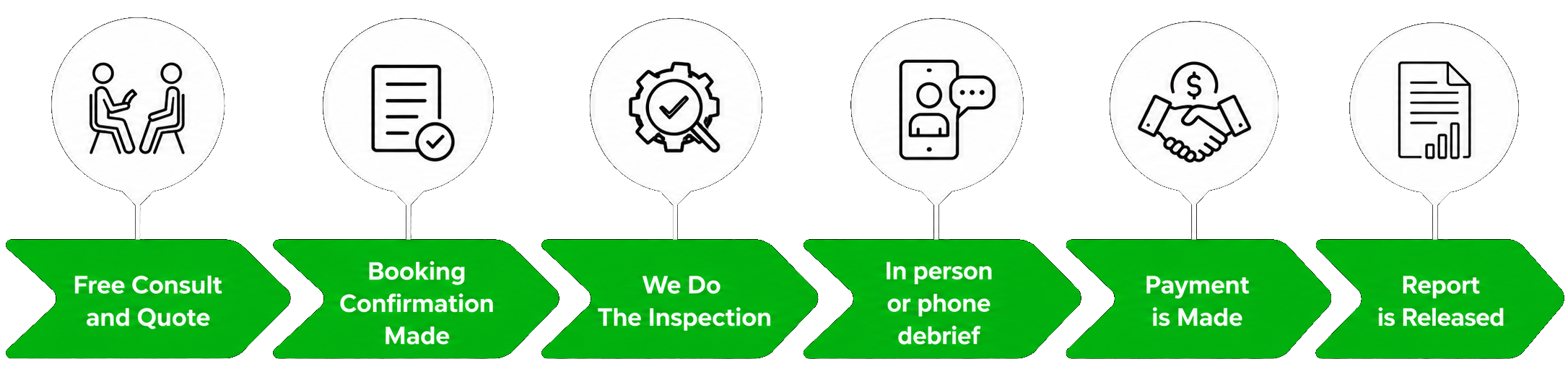
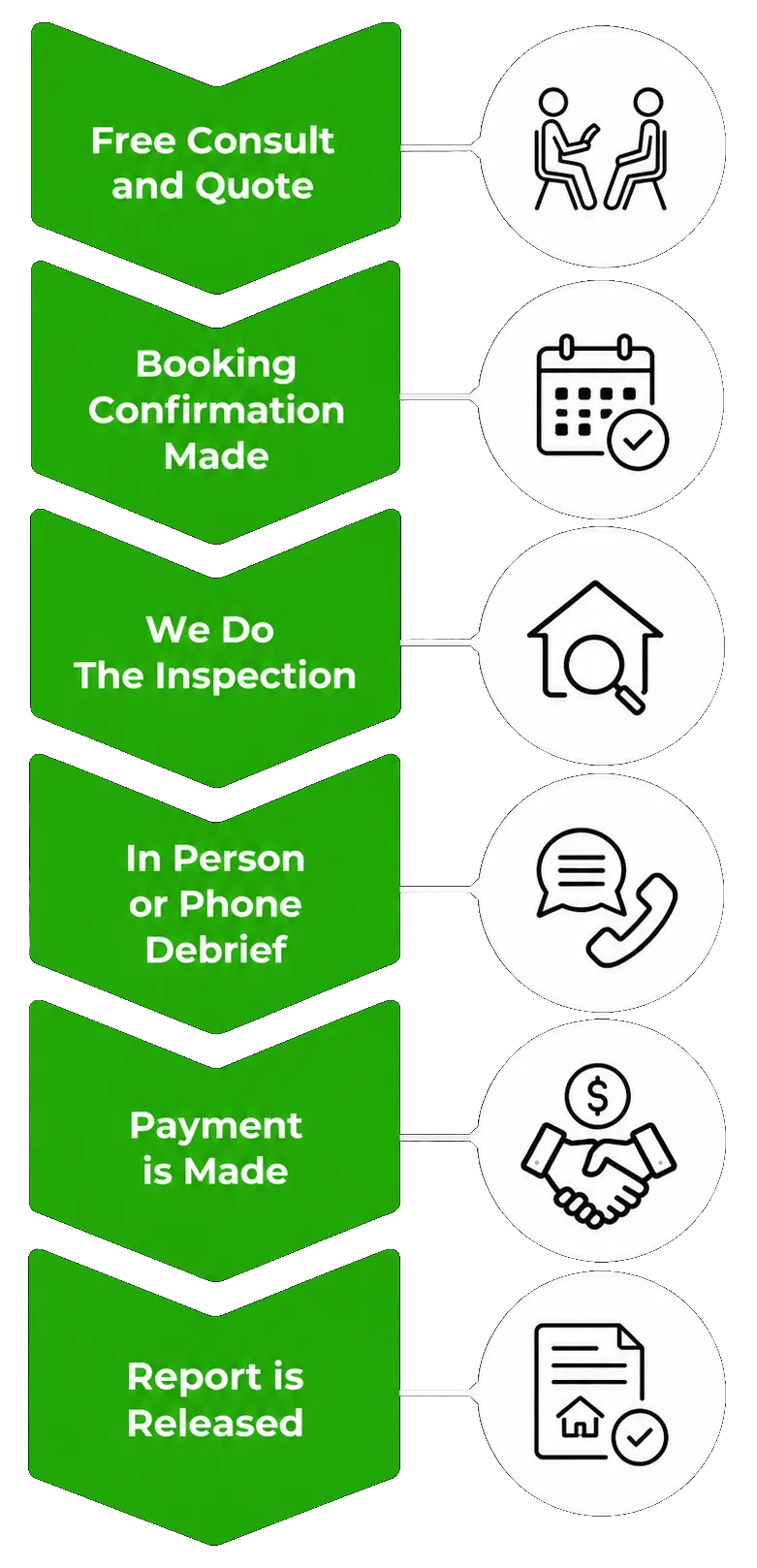
Our process is simple and only contains a few simple steps
Frequently Asked Questions
When should I arrange a handover defects inspection?
Book the inspection when the builder advises that the property has reached practical completion and access is available. Ideally, allow enough time to receive and review the report before the formal handover or final payment. Confirm access arrangements with the builder first so all completed and accessible areas can be inspected.
How is a handover inspection different from a standard building inspection?
A standard building inspection examines the general condition of an established property, often for a buyer before purchase. A handover defects inspection focuses on newly completed construction and visible workmanship, damage or incomplete items near practical completion. The reporting purpose and timing are therefore different, even though some inspected areas may overlap.
Can the inspection report make the builder repair defects?
No. The inspection provides an independent visual record of observed defects and incomplete work. It cannot compel the builder to complete repairs or determine contractual liability. You can use the report when discussing items with the builder, but contractual or legal questions should be directed to a suitably qualified adviser.
What documents should I provide before the inspection?
Provide approved plans, specifications, variation documents and any defect list already supplied by the builder if available. Access instructions and relevant correspondence can also help. These documents give useful context, but the inspection remains limited to visible and accessible conditions on the day rather than certifying compliance with every contractual requirement.
Can repaired defects be inspected again?
Yes. A follow-up inspection can review accessible items after the builder advises that rectification work is complete. It records the visible condition at that later visit and notes whether previously identified items appear addressed. Concealed repairs and technical performance may still require evidence or assessment from the responsible contractor or relevant specialist.
READY TO take the next step?
get a free quote TODAY!
North Brisbane Property Inspections
0486 341 617