SERVICES
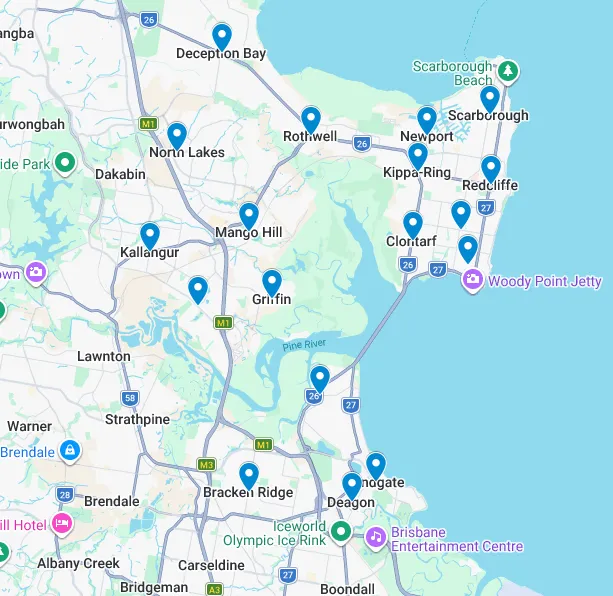
Building and Pest Inspections in Clontarf, QLD
Building and Pest Inspections in Clontarf
Clontarf forms the southern entry to the Redcliffe Peninsula and contains mainly detached houses, with a smaller mix of units and attached dwellings. Many homes have established maintenance histories and may include enclosed outdoor areas, sheds, carports, extensions or renovated interiors. Coastal air can affect exposed metals and finishes, while low-lying land and mapped drainage considerations make property-specific searches important for some addresses. Buyers should look beyond presentation to understand visible roof wear, moisture indicators, drainage, cracking, timber pest conditions and earlier repair work. North Brisbane Property Inspections assesses accessible areas and documents observed conditions and limitations. The report helps Clontarf buyers and owners compare the physical property with council information, approval records and any specialist advice required before proceeding.
Why Choose North Brisbane Property Inspections in Clontarf
Assessment of Different Building Stages
Detached Clontarf homes can include a combination of original materials, replacement roofing, repaired finishes and later additions. More than 30 years of experience across construction, housing maintenance and asset management supports the assessment of visible deterioration across these different elements. Reports record the condition observed on the day and identify where repair history or material age warrants further enquiry.
Defined Scope for External Structures
Carports, sheds, patios, enclosed verandahs and other additions can form a significant part of a Clontarf property. North Brisbane Property Inspections clarifies which accessible structures fall within the agreed scope and records visible concerns. Buyers can compare those findings with council approvals, plans and invoices rather than assuming every addition was inspected, approved or built at the same time.
Reporting Alongside Drainage Searches
City planning information identifies drainage investigation and coastal hazard considerations in parts of Clontarf. A physical inspection can record visible moisture indicators, site drainage and accessible material condition but cannot establish mapped hazard exposure. Clear reporting helps clients combine different sources of information, including council reports, conveyancing searches, insurer enquiries and specialist advice for the specific property.
Attention to External Access Conditions
Coastal exposure and established gardens can affect external finishes, metal components and the visibility of building edges. The inspection records visible corrosion, timber-to-soil contact, moisture sources and areas concealed by vegetation or stored materials. Clontarf owners receive a clear account of what was observed and where improved access, maintenance or a specialist assessment may be appropriate.
Our Building and Pest Inspection Services in Clontarf
North Brisbane Property Inspections provides building and pest inspections, timber pest inspections, building inspections, vendor inspections, builder warranty inspections, handover defects inspections, depreciation schedules and meth residue testing in Clontarf. These services support buyers of established coastal homes and units, property owners, vendors and investors. Each service follows a defined scope and records relevant accessible conditions present during the inspection, assessment or testing visit.
DISCOVER WHAT OUR CUSTOMERS HAVE TO SAY ABOUT US
REVIEWS
REVIEW US ON GOOGLE
WHAT WE ARE BEST AT
OUR SERVICES
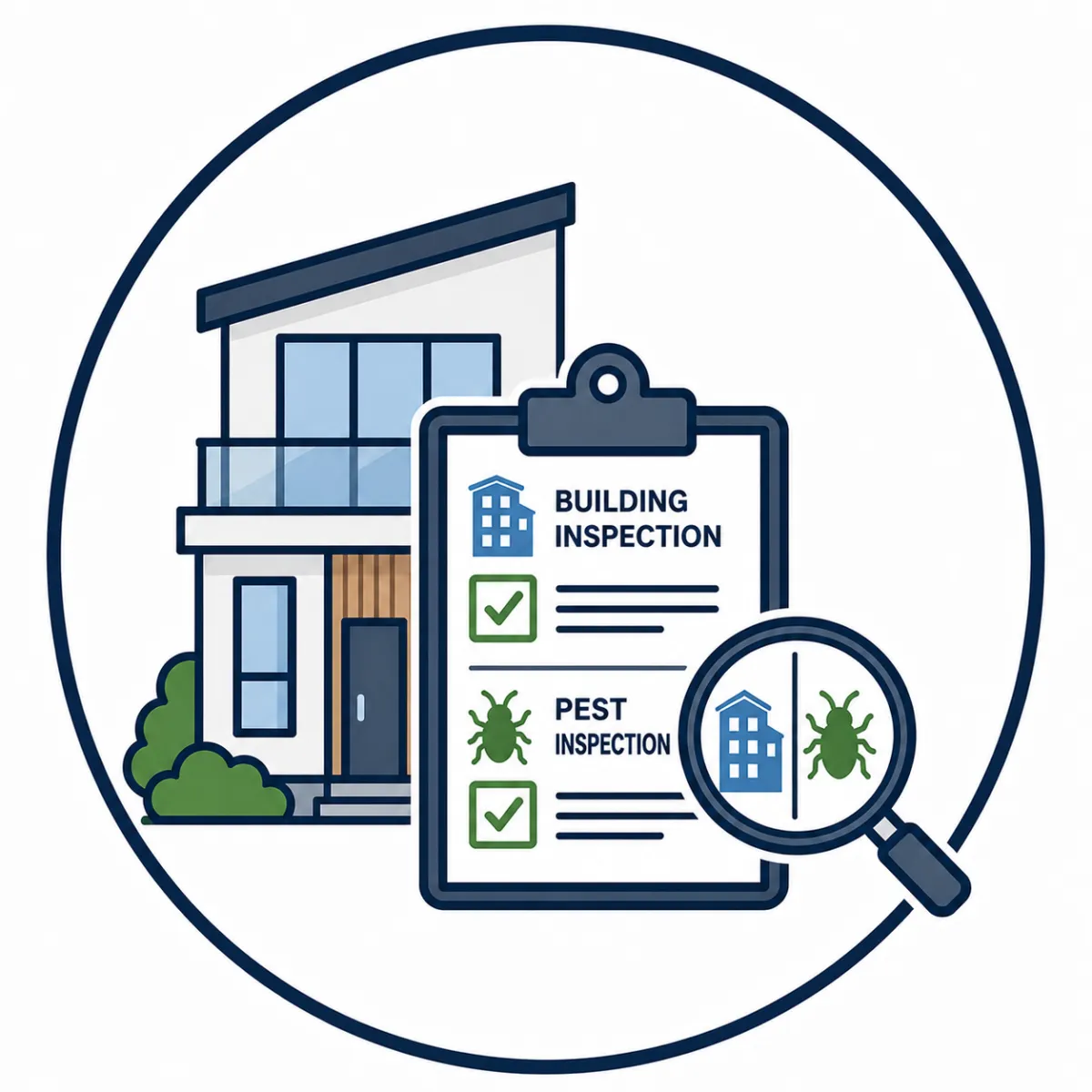
Combined inspection covering structural defects and timber pest activity in one complete assessment.
Inspection to detect termites, timber pests, and hidden structural damage affecting property integrity.
Detailed assessment of structure, identifying defects, damage, and maintenance issues for owners and buyers.

Pre-sale inspection identifying issues before listing to help improve presentation and buyer confidence.
Inspection before warranty expiry to identify defects, unfinished work, or building issues needing repair.
Final inspection of new builds to identify defects and ensure construction meets required standards.
Property report outlining asset values and depreciation benefits for tax and investment purposes and claims.
Specialised testing to detect meth contamination ensuring property safety for occupation or sale.
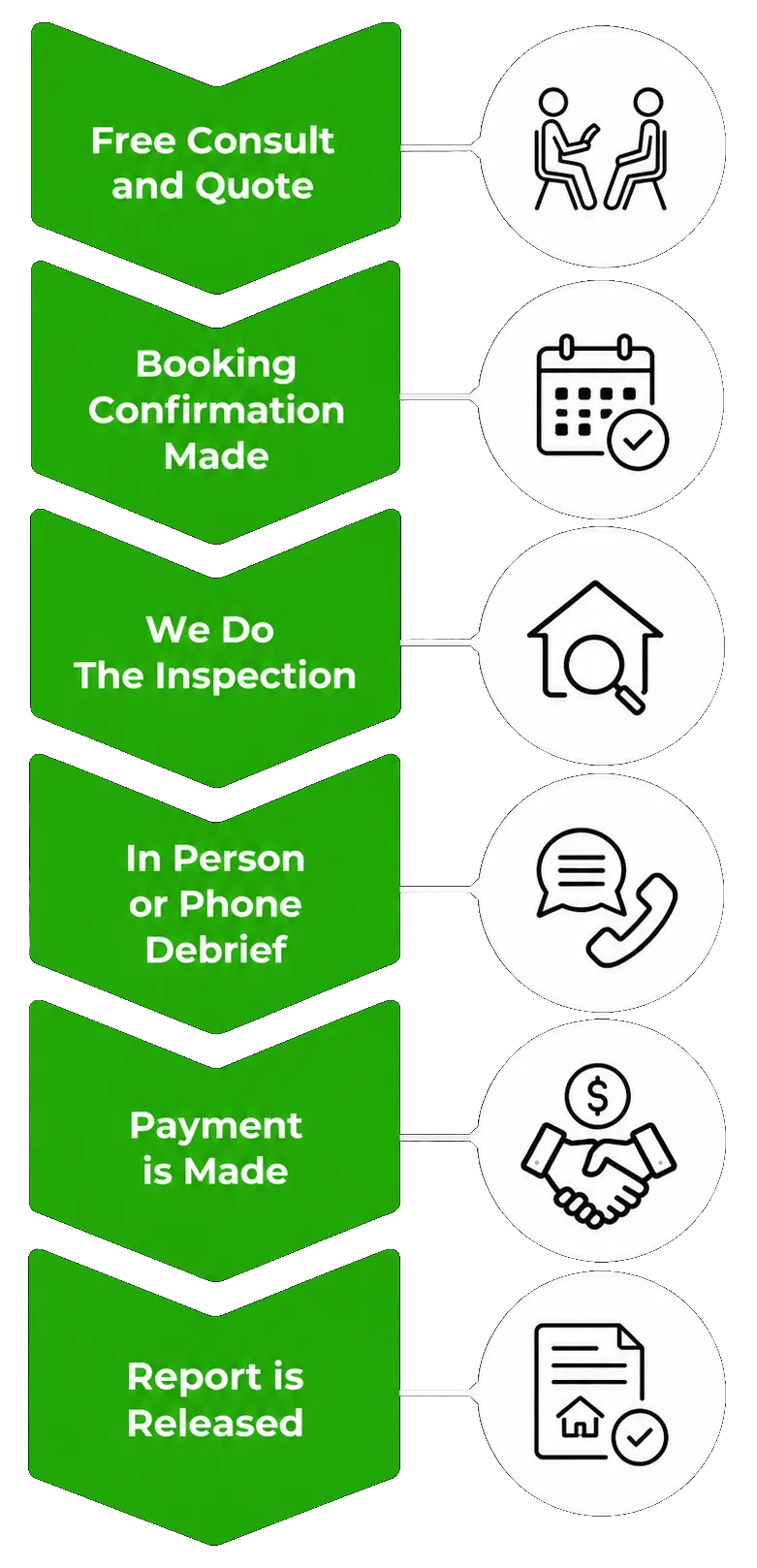
our process
Our process is simple and only contains a few simple steps

Frequently Asked Questions
What coastal wear should Clontarf buyers look for?
Check gutters, roof fixings, flashings, balustrades, window hardware, external fasteners and other exposed metal components. Salt exposure can contribute to corrosion, although materials and maintenance affect its rate. A Clontarf inspection records visible deterioration, while a roofing or corrosion specialist may be required to assess repair methods or remaining service life.
How should I investigate drainage and flood information in Clontarf?
Review City of Moreton Bay flood, overland-flow, drainage investigation and coastal hazard information for the exact address. A building inspection may record visible moisture indicators and drainage conditions, but it cannot determine future flood behaviour or development requirements. Discuss council results with your solicitor, conveyancer, insurer and other appropriate advisers.
Are sheds and carports included in a Clontarf property inspection?
Confirm the agreed scope when booking and identify every detached structure that concerns you. Safe access, construction type and condition can affect what the inspector examines. The report records included and excluded areas. Buyers should also request approval documents for substantial sheds, garages, carports, patios or converted spaces added to the property.
Can the subfloor of an older Clontarf home be inspected?
Where a safe access point and sufficient clearance exist, the inspector may examine visible subfloor components and conditions. Low clearance, water, stored materials, animals or obstructions can prevent entry. The report identifies access limitations so Clontarf buyers know which areas were not viewed and can consider whether follow-up access is practical.
What should I check when buying a Clontarf unit?
A unit inspection generally covers accessible areas within the individual lot and agreed exclusive-use spaces. Shared roofs, exterior walls, foundations, paths, drainage and grounds may remain body corporate property. Clontarf unit buyers should examine meeting minutes, insurance, maintenance history, budgets and planned works because those records complement the physical inspection findings.
READY TO take the next step?
get a free quote TODAY!
North Brisbane Property Inspections
0486 341 617