SERVICES
Meth Residue Testing
Identify possible methamphetamine residue before buying, leasing or occupying a North Brisbane property.
What Is Meth Residue Testing?
Meth residue testing checks selected surfaces within a property for traces of methamphetamine that may remain after drug manufacture or repeated use. Residue can settle on or be absorbed by walls, ceilings, floors, fixtures, ventilation components and other materials, and it may not be visible during an ordinary property inspection. Testing can involve initial screening samples, followed by laboratory analysis when required to measure contamination more precisely. The sampling approach depends on the property history, areas of concern and purpose of the assessment. Results identify what was detected in the sampled locations at the time of testing, but they do not assess every surface or guarantee that unsampled areas are free from residue. North Brisbane Property Inspections documents sampling locations and explains the reported findings in plain English. Where results indicate a concern, further assessment, professional remediation or post-cleaning verification may be recommended. Testing is separate from a standard building and pest inspection and should be requested as a specific service.
Why Choose North Brisbane Property Inspections for Meth Residue Testing
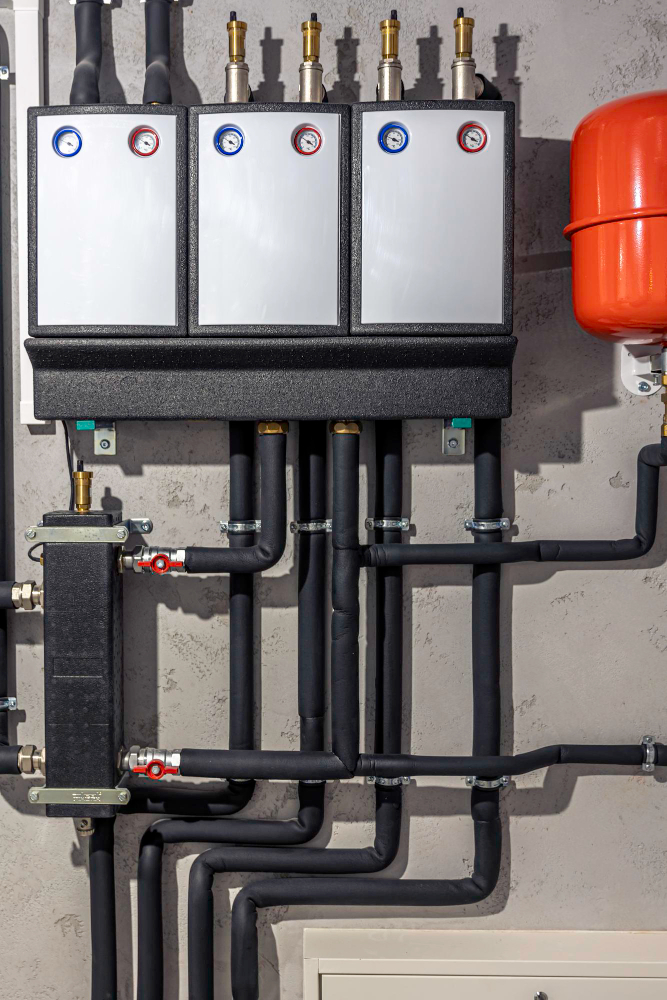
Considered Sampling Locations
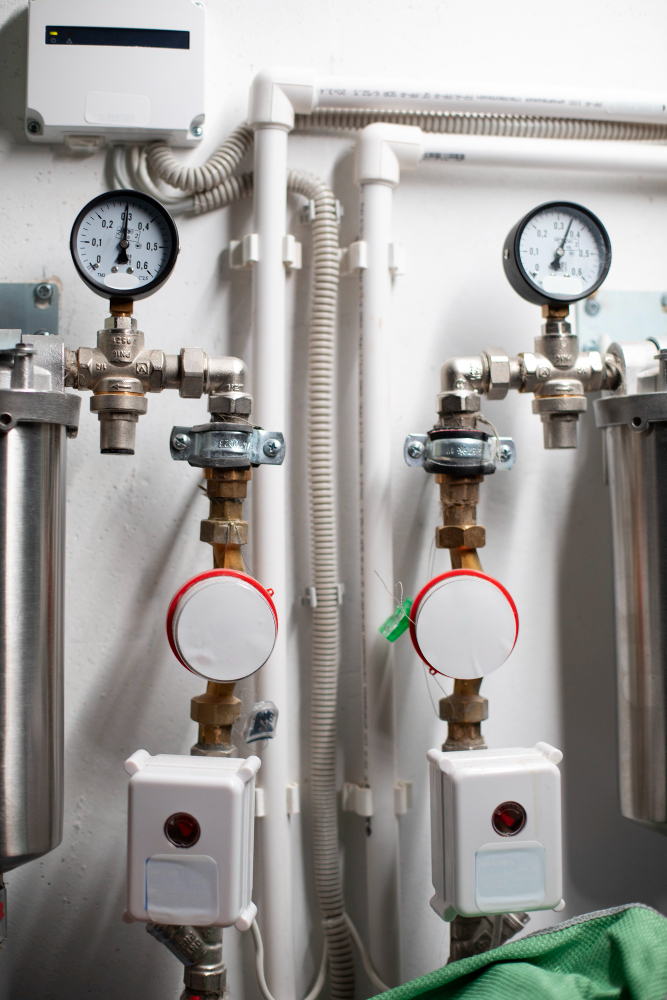
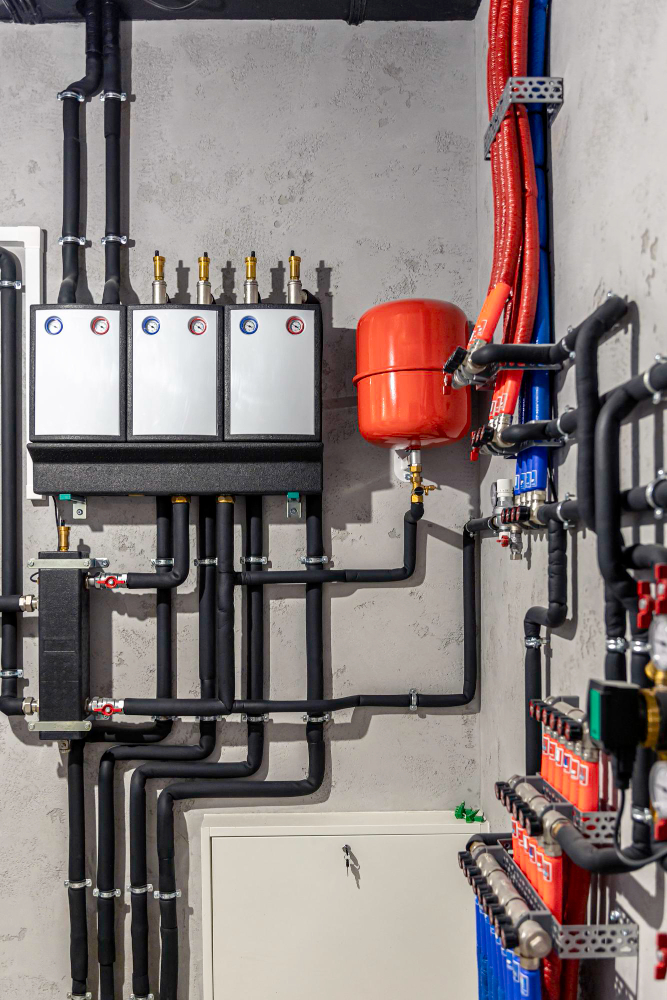
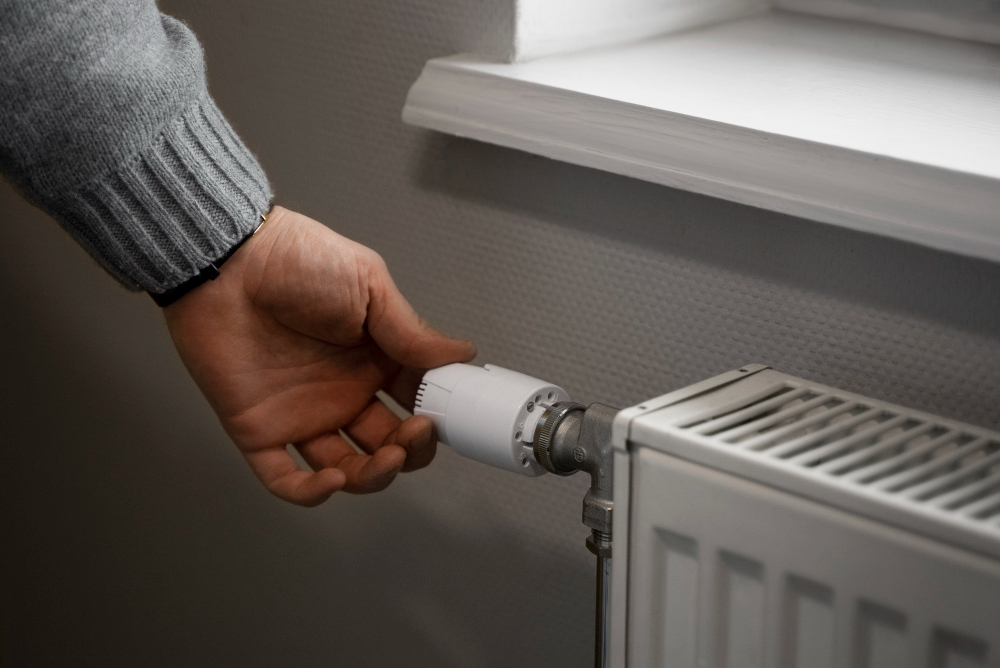
Sampling locations are selected after considering the property layout, accessible surfaces and any information supplied about previous occupancy or suspected drug activity. Areas that may retain residue receive particular attention. The method and limitations are explained before sampling so the results can be understood in relation to the locations tested.
Documented Testing Process
Samples and observations are recorded carefully, including the rooms and surfaces selected for testing. Clear records reduce uncertainty when results are reviewed or compared with later testing. Where laboratory analysis is required, the report presents the returned findings without claiming that a limited sample represents every part of the building.
Clear Reporting and Guidance
Testing reports explain detected results, sampled locations and relevant limitations in straightforward language. This helps buyers, owners, landlords and property managers decide whether further investigation is appropriate. If contamination is suspected or identified, an occupational hygienist, environmental scientist, remediation contractor or relevant authority may be needed to advise on the next stage.
Independent Property Testing
Meth residue testing is kept separate from the property sale, tenancy and remediation process. Findings reflect the selected samples and conditions present at the time of attendance. The report does not promise a particular result or property outcome, giving clients an independent record they can discuss with appropriate environmental, health or property professionals.
What Meth Residue Testing Covers
Meth residue testing can include a review of the property history supplied by the client, selection of accessible sampling locations, surface sampling and documentation of each tested area. Common locations may include walls, ceilings, floors, cupboards, doors, ventilation points and frequently touched surfaces. Depending on the selected testing method, samples may provide an initial indication or be analysed by a laboratory. The report records results and limitations. It does not inspect every surface, diagnose health conditions, perform remediation or certify unsampled areas as free from contamination.
Signs You Need Meth Residue Testing
Consider meth residue testing when a property has a known or suspected history of drug manufacture, police attendance or unusual chemical activity. Testing may also be appropriate before purchasing or leasing a property when its history is unclear, after concerns are raised by neighbours or previous occupants, or when unusual staining, chemical odours, damaged ventilation or extensive unexplained cleaning is observed. Arrange further testing after remediation when verification is required. Visual appearance alone cannot confirm whether methamphetamine residue is present or absent.
DISCOVER WHAT OUR CUSTOMERS HAVE TO SAY ABOUT US
REVIEWS
REVIEW US ON GOOGLE
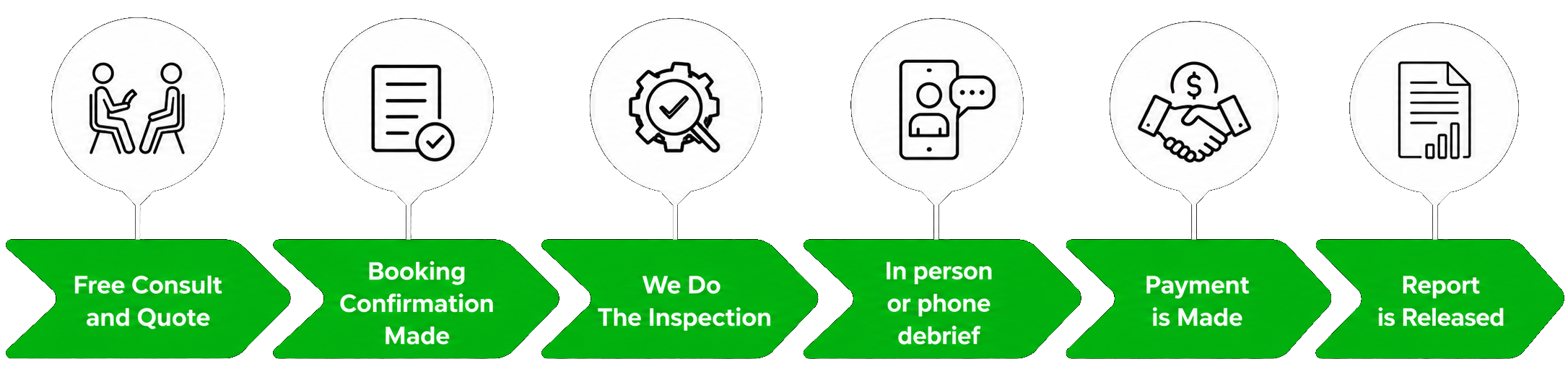
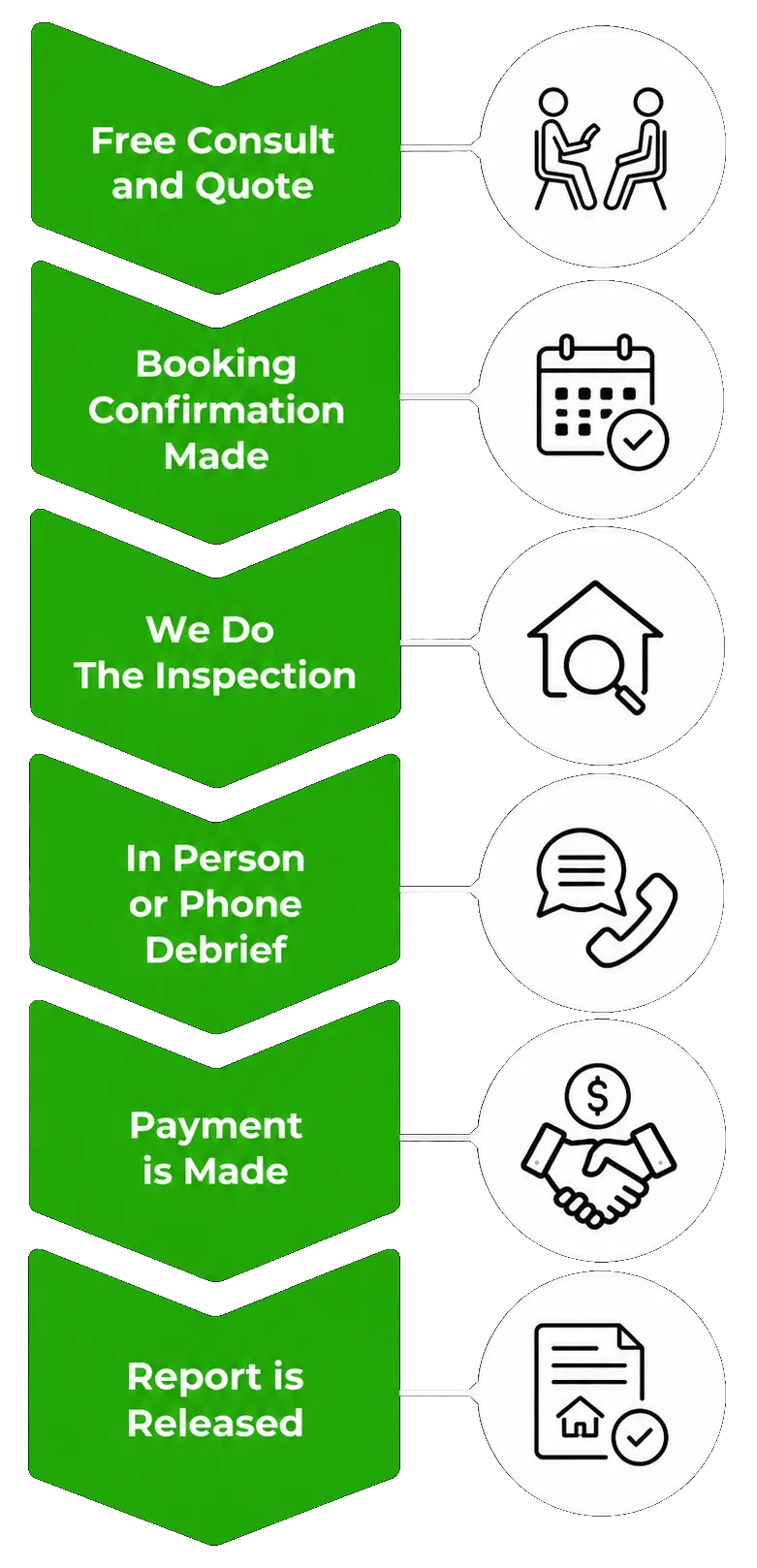
our process
Our process is simple and only contains a few simple steps
Frequently Asked Questions
Can meth residue testing confirm that the entire property is clear?
Testing can identify methamphetamine residue on the specific surfaces sampled, subject to the method’s detection limits and laboratory procedures where applicable. It cannot prove that every unsampled area is free from contamination. The report should therefore be read with the sampling plan, property history and stated limitations in mind.
What is the difference between screening and laboratory analysis?
Screening is generally used to obtain an initial indication across selected areas, while laboratory analysis can provide measured results for submitted samples. The appropriate approach depends on the purpose of testing and property circumstances. A positive screening result may lead to more detailed sampling, laboratory analysis or specialist environmental advice.
Can testing be arranged before buying or leasing a property?
Yes. Testing can be requested before purchase, settlement or the start of a tenancy, provided the owner or agent grants access and sampling permission. Allow enough time for sampling and any laboratory turnaround before making a property decision. Testing should complement legal, building and pest enquiries rather than replace them.
What should I do if contamination is suspected?
Do not disturb, sand, wash or renovate suspected areas before receiving appropriate advice, as this could spread residue or affect later sampling. Limit access where a significant concern exists and contact an occupational hygienist, environmental scientist, remediation professional, local government or Queensland Health public health unit for guidance suited to the circumstances.
Is testing required after the property has been cleaned?
Post-remediation testing checks selected surfaces after cleaning work has been completed. Queensland Health advises that post-clean-up samples should be tested by an accredited laboratory to verify whether cleaning was successful. The testing scope should be planned for the property and interpreted with the remediation records, sampling locations and applicable guidance.
READY TO take the next step?
get a free quote TODAY!
North Brisbane Property Inspections
0486 341 617